On the night of November 1, 2026, the BTCPay Server team warned that hot wallets on self-hosted instances were being swept by attackers and told operators to shut their servers down. Founder Nicolas Dorier said the attacker had managed to log in as an admin on the affected instances. By the next morning the team said its investigation had found an attack vector aimed at version 2.4.1, released July 23, 2026, and older, and that it had no credible reports of drains on the latest 2.4.7. Dorier said operators who had updated at least once since 2.4.2 had no reason to panic, and that this did not appear to be a new vulnerability. Some hosting providers shut down older instances on their own to protect customers. The root cause and total losses have not been published yet, and a detailed write-up has been promised.
BTCPay itself was not broken in the sense most people fear. Bitcoin was not broken either. What failed was the oldest rule in operations: a server that can spend money, left unpatched, is a target. The same applies to any self-hosted payment processor, Lightning node or exchange-style hot wallet.
Hot and cold: know what can spend
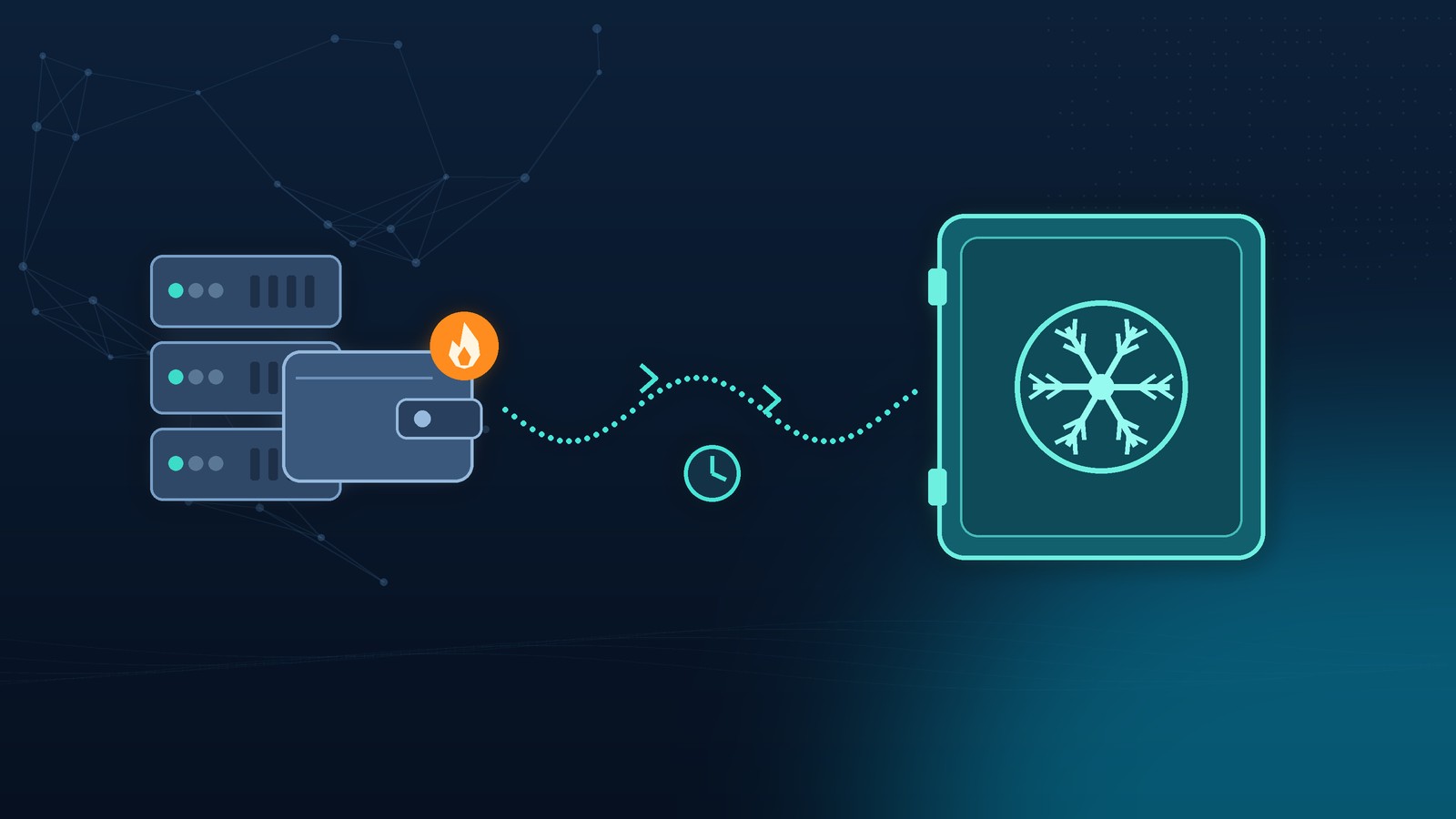
A hot wallet is a wallet whose keys live on an internet-connected machine so it can sign on its own. That is what makes refunds, payouts and Lightning work automatically. It is also why anyone who takes over the machine can spend from it.
A cold wallet keeps its keys offline, on a hardware wallet or an air-gapped device, and signs only when you deliberately approve a transaction. The goal is not to avoid hot wallets entirely. It is to decide which funds need to be hot and keep everything else cold.
Keep balances small and sweep on a schedule
Treat the hot wallet as a till, not a safe. Keep only what you need for the next few days of refunds, payouts or channel activity. Dorier's own advice during the incident was simple: don't keep too much in your hot wallet, and don't put in more than you are ready to lose.
Sweep the rest to cold storage on a fixed schedule, daily or weekly depending on volume, and also whenever the balance passes a threshold you have set in advance. Send sweeps to addresses generated by your own hardware wallet and verified on its screen, never to an address copied from the server itself.
Keep keys off the box where you can
Many merchants do not need a hot wallet at all. BTCPay and similar tools can watch a wallet using only its extended public key, the xpub. The server then creates invoices and tracks payments but holds no key that can spend. If the server is compromised, the attacker can see your incoming payments but cannot move them.
Use a watch-only setup for receiving, and keep spending keys on a hardware wallet. Enable a hot wallet only for the features that truly require it, and fund it separately. Lightning channels are hot by design, so keep channel balances sized to real need.
Update quickly and follow advisories
The drained servers were running versions months out of date. Updating is your cheapest defence. Apply security releases within days, not months, and have a tested way to update without downtime surprises.
Subscribe to the project's official security advisories, release notes and announcement channels, and check them yourself rather than relying on social media reposts. When a project tells you to shut down, do it first and investigate after.
Isolate the server
Run the payment server on its own machine or virtual machine, not alongside a website, plugins or other services that widen the attack surface. Keep the admin interface off the open internet where possible, behind a VPN or an allowlist of trusted addresses.
Protect every admin account with a strong unique password and two-factor authentication, ideally a hardware security key. Remove old admin accounts and API keys, and give staff and plugins only the permissions they need.
Monitor and alert
You should hear about a drain from your own alerts, not from your customers. Set notifications for every outgoing transaction from the hot wallet, for new admin logins, for changes to users, API keys, payout settings or wallet configuration, and for software updates you have not made yourself.
Watch your hot-wallet addresses with an independent block explorer or watch-only wallet on a different device, so an attacker who controls the server cannot hide what is happening.
If you think you are affected
Shut the server down to stop further sweeps. Move any funds the attacker has not yet taken using a different, trusted device, not the compromised server.
Treat the whole server as compromised, not just the seed. As Dorier put it, operators on vulnerable versions should consider the server cooked. Create a new wallet with a new seed on trusted hardware, and never reuse the old one.
Rebuild rather than clean. Set up a fresh machine with the latest release, restore only the configuration you have checked, and rotate every password, API key, webhook secret and access token the old server held.
Keep logs and record the attacker's addresses before you wipe anything, then report the incident to the project and, where relevant, to law enforcement. Expect phishing that offers help or refunds in the days that follow, and only trust updates from the project's official channels.
Hot wallets are a convenience you pay for with risk. Keep them small, current, isolated and watched, and a bad night stays a bad night instead of becoming a business-ending one.