The crypto security fundamentals, in one place.
Click into any card for the full explanation and step-by-step guidance.
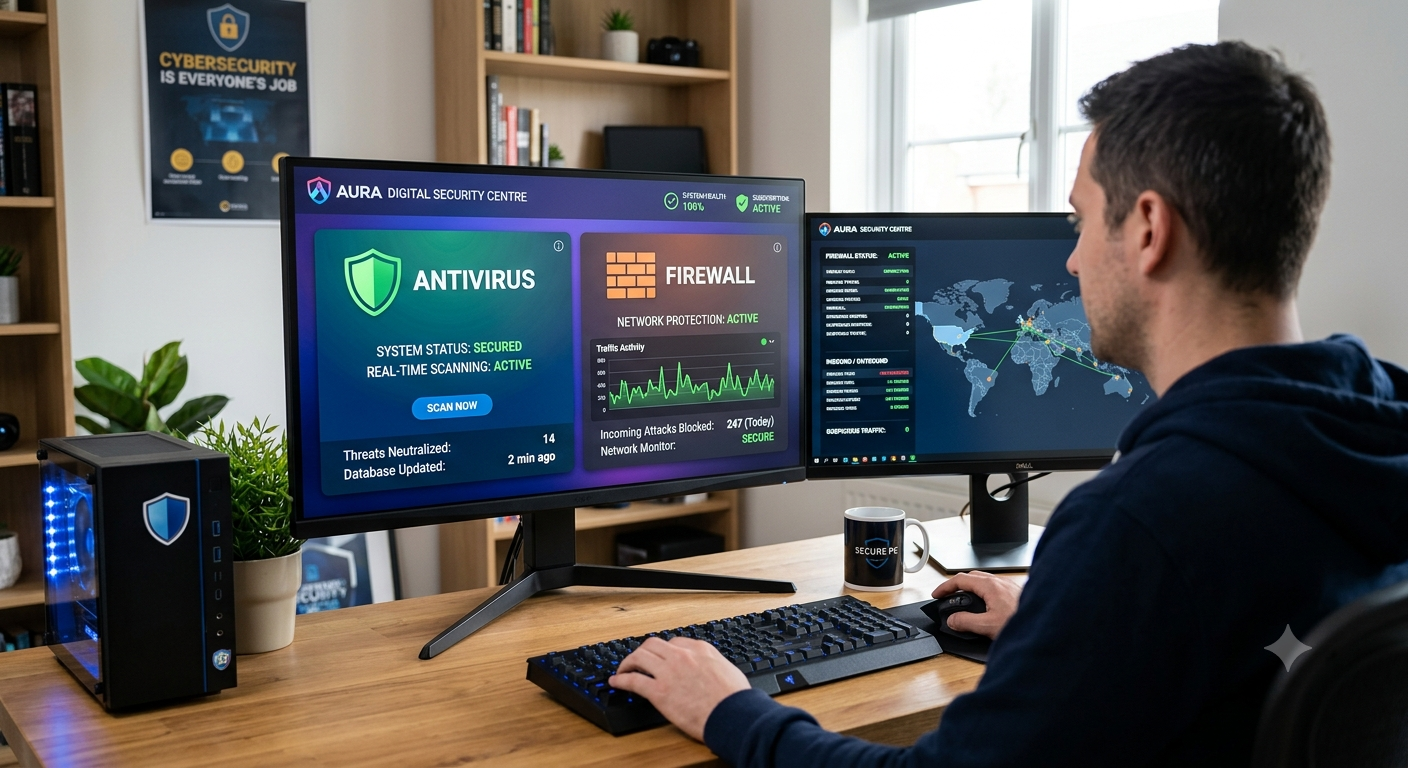
The Essential PC Security Baseline
Buying a hardware wallet: sourcing and integrity checks
A hardware wallet is only as trustworthy as the path it took to reach you. How to buy one safely, what to check before setup, and what to do if anything looks wrong.

Fake wallet alerts: how to verify a notification before you act
A push notification or in-app banner can look exactly like your wallet talking to you. Here is how to check an alert safely, and why a recovery phrase never belongs in a website or app prompt.
Your Exchange's Analytics Script Can Drain You
On October 29, 2026, a performance-monitoring script that Polymarket loaded from its vendor was turned into a drainer that traded and moved funds as logged-in users. Here is why third-party scripts are a supply-chain risk, and what sites and users can do about it.
Hype-launch scams: check before you connect

A Real Domain Doesn't Make a Link Safe
Phishers can sometimes serve a fake prompt from a wallet's genuine website. Judge what a page asks you to do, not just the address bar, and never type your seed phrase into any site.
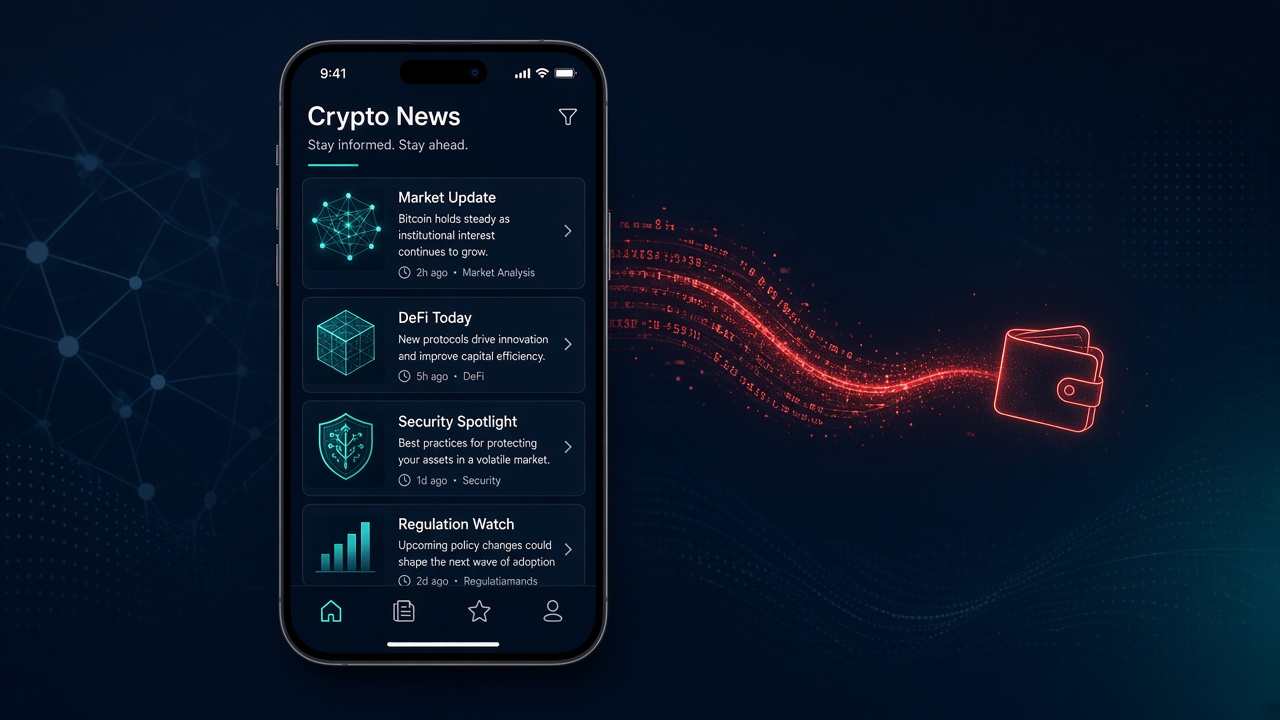
When a Trusted Crypto Site Becomes the Trap: Watering-Hole Attacks
Attackers don't always lure you to a fake site. Sometimes they compromise a real one you already read. Here is what a watering-hole attack is, what the BlockBeats case shows, and the few habits that protect you.

Fake Networks, Real Losses: How to Check a Chain or Bridge Before You Move Funds
Scammers copied GIWA, Upbit's unlaunched Layer 2, with a working fake network and bridge that took about 766 ETH. Here is how the scam worked and the basic checks to run before you add a network or bridge funds.

How to verify a security alert without clicking it
Scammers now hide their messages inside genuine security alerts and follow big hacks with fake refund offers. Here is how to check any alert by going to the service yourself, and the few things you should never hand over.
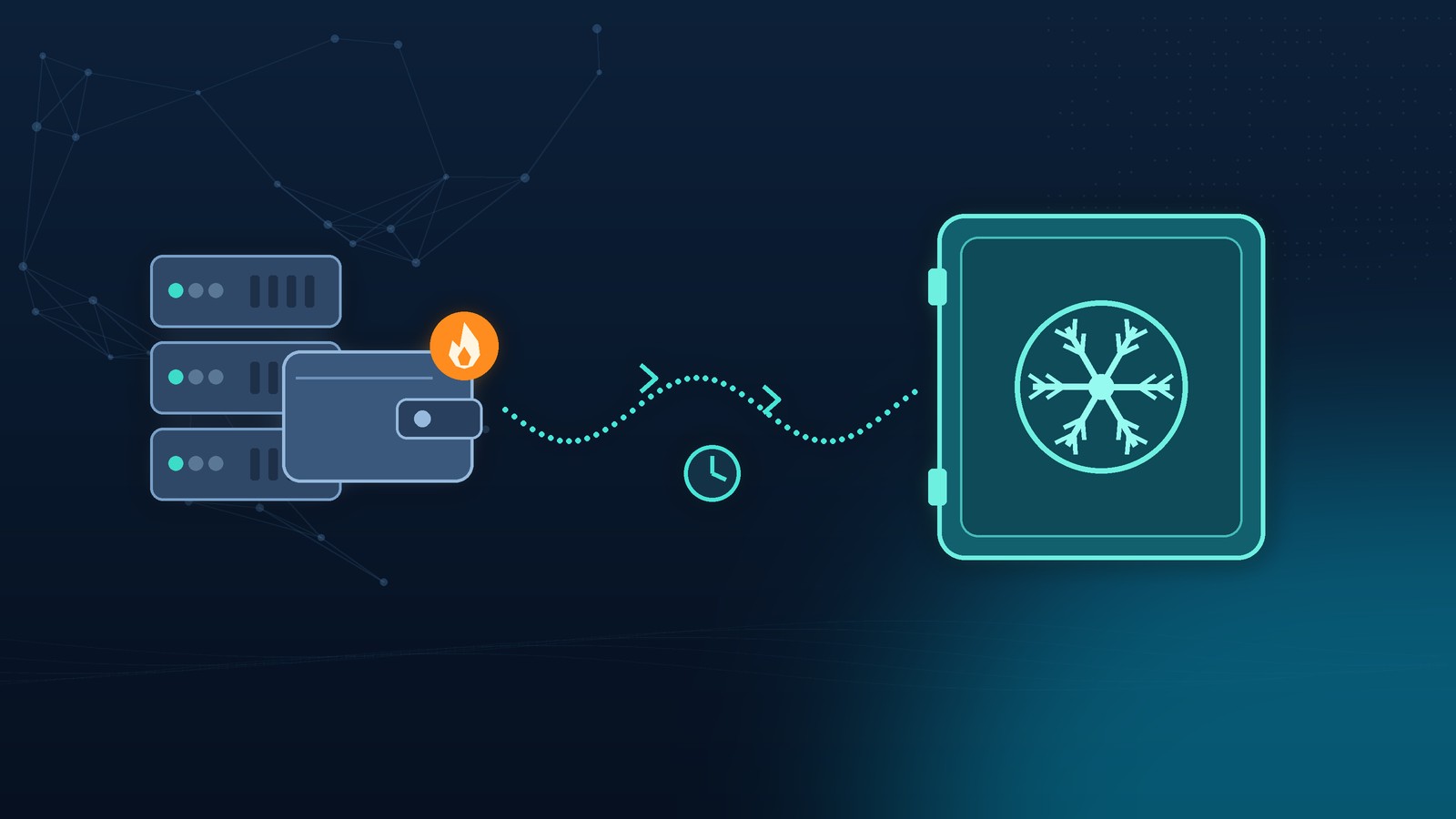
Hot-wallet hygiene for self-hosted merchants and node operators
Self-hosted BTCPay Server instances running old versions are having their hot wallets swept. Here is how to keep a payment server's hot wallet small, updated, isolated and ready for the day something goes wrong.
Isolate staging, kill shared keys
India's CERT-In says an AI-assisted actor is reaching production through exposed test environments and shared API keys, then draining funds through the victim's own payment APIs. Here is the basic separation every crypto team should enforce.
Social-login and embedded wallets: what you trust
A Google or Apple login changes wallet recovery and dependencies. Understand key shares, provider risk and account security before funding an embedded wallet.

Your trading machine is a wallet
If you trade from a computer that can sign, withdraw or see keys, that computer is part of your wallet. Start with a few habits: turn off auto-download in desktop messengers, keep trading on a clean machine, and do not post live positions.